
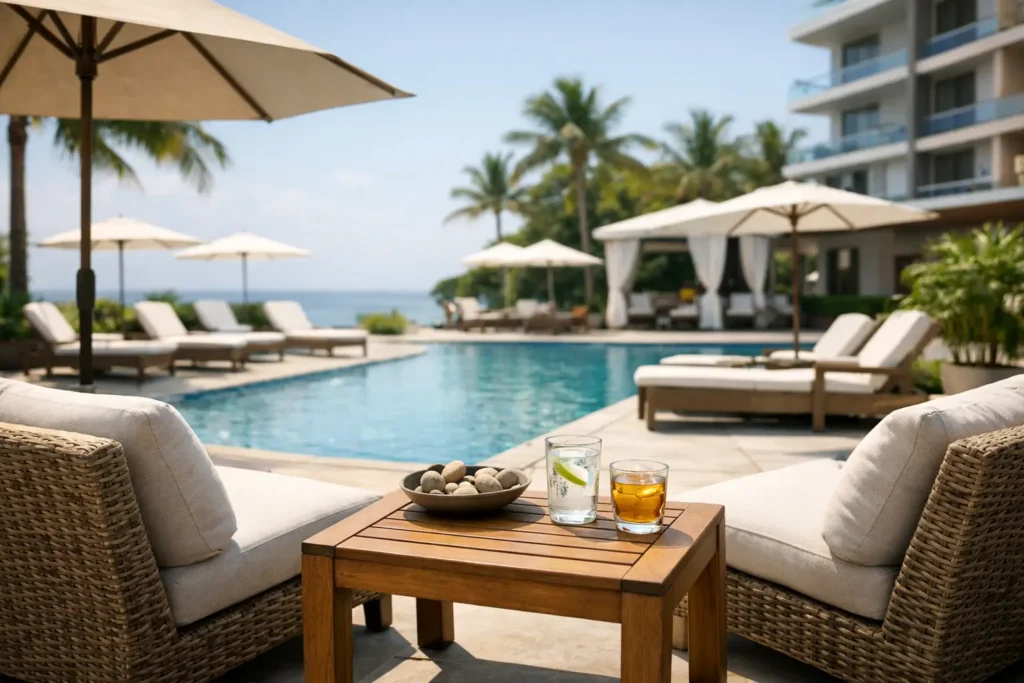
Commercial outdoor furniture for hotels is a brand decision, not just a purchasing line item
Guests notice outdoor spaces faster than many operators expect. The pool deck, terrace lounge, rooftop bar, breakfast patio, and garden seating area often shape a first impression before the room does. If the furniture looks tired, feels unstable, or fails to support the intended guest experience, the entire property can feel outdated no matter how well designed the interiors are.
That is why specifying commercial outdoor furniture for hotels requires more than choosing attractive pieces from a catalog. For hospitality projects, outdoor furniture has to perform under constant use, changing weather, cleaning routines, and operational pressure while still aligning with the property’s design direction. The right selection supports guest comfort, reinforces brand positioning, and protects long-term operating value.
For hotel owners, designers, procurement teams, and fit-out partners, the better question is not simply what looks good outdoors. It is what will still look good, function well, and remain commercially sensible after months and years of real hospitality use.
What hotels should expect from commercial outdoor furniture
Hotel environments create a tougher standard than residential terraces or occasional-use venues. Furniture in these settings is used daily, moved frequently, exposed to sun and rain, and expected to maintain a polished appearance with minimal disruption to operations. That means every specification decision carries practical consequences.
A lounge chair by the pool may need to resist fading, dry quickly, and remain easy for staff to reposition. A dining chair on an exposed terrace may need a lighter frame for service flexibility, but also enough strength and finish stability to handle repeated use and cleaning. A sofa in a covered outdoor bar may prioritize a more refined silhouette, yet still require upholstery and frame materials suited to hospitality traffic.
The strongest hotel schemes balance appearance with performance from the start. This is where commercial-grade outdoor furniture separates itself from retail-grade options. It is designed with heavier usage, better structural integrity, and project consistency in mind. That consistency matters when a property needs matching pieces across multiple zones instead of a one-off furniture purchase.
Design has to work across the whole property
One of the most common issues in hotel furnishing is visual fragmentation. The pool area feels contemporary, the terrace looks generic, and the alfresco dining zone appears to come from a different project entirely. Guests may not describe the problem in those terms, but they feel it.
Outdoor furniture should contribute to a cohesive hospitality identity. A boutique hotel may lean into softer lounge forms, textured finishes, and warmer tones to create a more relaxed, resort-led atmosphere. A business hotel may require cleaner lines, more structured seating, and highly practical tables that support breakfast service, casual meetings, and evening drinks. Luxury properties often need deeper coordination between outdoor and indoor palettes so transitions feel deliberate rather than disconnected.
This is why style-organized collections are especially useful for hotel projects. They help specifiers build a complete language across armchairs, sofas, dining chairs, barstools, coffee tables, and side tables without creating a patchwork result. Cohesion is not only a design benefit. It also simplifies approvals, sample reviews, and phased procurement.
Materials matter more than trend cycles
In hotel outdoor settings, materials are where many good-looking concepts either succeed or fail. The right material mix depends on location, exposure, maintenance capability, and guest profile.
Powder-coated aluminum remains a strong option for many hospitality applications because it is relatively lightweight, corrosion resistant, and compatible with contemporary forms. It works particularly well where teams need to reconfigure layouts often. Teak and similar wood looks can bring warmth and premium character, but they need realistic maintenance expectations. If a hotel wants that natural material presence without committing to regular upkeep, alternative finishes may be the more commercially sound direction.
Synthetic wicker still has a place in selected hospitality concepts, especially when a softer resort aesthetic is required, but quality differences are significant. Cheap versions age quickly and undermine the property image. Outdoor upholstery and sling fabrics also need careful review. Comfort is essential, but so are UV resistance, moisture management, and cleaning practicality.
There is no universal best material. A rooftop venue in intense sun, a sheltered courtyard restaurant, and a beachfront property will not perform under the same conditions. Good specification comes from understanding the real environment instead of choosing based on appearance alone.
Comfort is part of the guest experience
Hotels do not buy outdoor furniture simply to fill a space. They buy it to support specific guest behaviors. That is why comfort should be measured against actual use, not showroom appeal alone.
A pool lounger may look elegant, but if the back angle feels awkward after twenty minutes, guests will notice. A dining chair may photograph well, but if it lacks support for a long breakfast or dinner sitting, turnover can suffer in the wrong way. Lounge seating in outdoor bars needs a comfortable seat height and table relationship, otherwise guests struggle to settle in.
This is where commercial buyers benefit from hands-on evaluation and project-based guidance. Dimensions, seat depth, arm height, and cushion density all influence the result. For hotel operators, the right furniture encourages guests to stay longer where you want them to stay longer, and move comfortably through the spaces designed for faster use.
Durability should be measured against operations, not promises
Every supplier claims quality. For hotel projects, the real question is whether the furniture is suited to actual operating conditions and whether the vendor can support project requirements beyond the initial sale.
Durability is not only about frame strength. It includes finish performance, replaceable components, stackability where needed, ease of maintenance, and the ability to replenish matching items later. Hotels rarely operate in a static way. Furniture may need to be added during expansion, replaced in phases, or adjusted as guest usage patterns change.
That makes supplier reliability a major part of the buying decision. Procurement teams and designers need confidence that specifications can be delivered consistently, customization is possible where necessary, and timelines are managed with commercial discipline. A trusted project supplier adds value by reducing friction, not by creating more selection risk.
Budget control does not mean design compromise
In hospitality projects, outdoor areas are sometimes treated as secondary when budgets tighten. That approach usually costs more later. Under-specifying a high-traffic outdoor zone often leads to premature replacements, inconsistent aesthetics, and avoidable maintenance headaches.
A better approach is value-based specification. Invest where usage is heavy and visibility is high. Standardize intelligently where performance requirements are similar. Use matching families of furniture to create a stronger design result while keeping procurement more efficient. In many cases, a curated commercial range offers a better balance of appearance, durability, and project pricing than piecing together products from multiple unrelated sources.
This is where an experienced project partner makes a clear difference. Instead of treating each chair or table as a separate product decision, the supplier can help shape a coordinated package that works for the design brief, operating reality, and budget framework.
How to evaluate commercial outdoor furniture for hotels
A strong hotel specification process usually starts with zoning. Identify which areas need lounging, dining, occasional seating, or flexible event use. Then match furniture types to the function, expected traffic, and level of weather exposure.
From there, review material suitability and maintenance expectations honestly. Some finishes look exceptional in presentations but create unnecessary burden for hotel teams. Others may appear simpler at first glance yet perform better over time and preserve a cleaner visual standard.
It is also worth checking how broad the collection is. Can the same design language extend across sun loungers, armchairs, outdoor sofas, dining settings, and bar furniture? Can dimensions or finishes be adapted for the project? Can the supplier support phased orders or overseas delivery if the hospitality group operates across multiple locations?
For professional buyers, these are not minor details. They shape lead times, replacement planning, consistency across the property, and the ease of executing the project without costly surprises.
A smarter sourcing approach for hospitality projects
Hotels need outdoor furniture that can carry design intent into the open air without losing sight of operational reality. That means specifying pieces that are attractive, commercially durable, comfortable, and aligned with the wider property identity. It also means working with a supplier that understands hospitality projects as systems, not isolated product transactions.
At VCUS, that project mindset is central to how commercial furniture is supplied – with curated collections, customization options, and dependable support for professional buyers who need stylish and functional results without losing control of budget or delivery.
The best outdoor hotel spaces feel effortless to guests. Behind that effortless result is careful specification, disciplined sourcing, and furniture chosen to perform long after opening day.
